
Blog

  • HEART DISEASE

    Heart Disease

    1. CDC
    2. Heart Disease Home

    Know Your Risk for Heart Disease
    Print

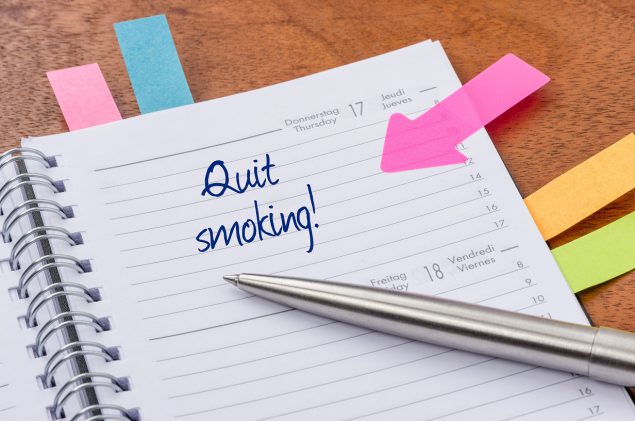
    Daily planner with the entry Quit smoking.

    You can take steps to lower your risk for heart disease by changing the factors you can control.

    Several health conditions, your lifestyle, and your age and family history can increase your risk for heart disease. These are called risk factors. About half of all Americans (47%) have at least 1 of 3 key risk factors for heart disease: high blood pressure, high cholesterol, and smoking.1

    Some risk factors for heart disease cannot be controlled, such as your age or family history. But you can take steps to lower your risk by changing the factors you can control.

    What health conditions increase the risk of heart disease?

    High blood pressure. High blood pressure is a major risk factor for heart disease. It is a medical condition that happens when the pressure of the blood in your arteries and other blood vessels is too high. The high pressure, if not controlled, can affect your heart and other major organs of your body, including your kidneys and brain.

    High blood pressure is often called a “silent killer” because it usually has no symptoms. The only way to know whether you have high blood pressure is to measure your blood pressure. You can lower your blood pressure with lifestyle changes or with medicine to reduce your risk for heart disease and heart attack. Learn more about blood pressure.

    Unhealthy blood cholesterol levels. Cholesterol is a waxy, fat-like substance made by the liver or found in certain foods. Your liver makes enough for your body’s needs, but we often get more cholesterol from the foods we eat.

    If we take in more cholesterol than the body can use, the extra cholesterol can build up in the walls of the arteries, including those of the heart. This leads to narrowing of the arteries and can decrease the blood flow to the heart, brain, kidneys, and other parts of the body.

    There are two main types of blood cholesterolLDL (low-density lipoprotein) cholesterol, which is considered to be “bad” cholesterol because it can cause plaque buildup in your arteries, and HDL (high-density lipoprotein) cholesterol, which is considered to be “good” cholesterol because higher levels provide some protection against heart disease.

    High blood cholesterol usually has no signs or symptoms. The only way to know whether you have high cholesterol is to get your cholesterol checked. Your health care team can do a simple blood test, called a “lipid profile,” to measure your cholesterol levels. Learn more about getting your cholesterol checked.

    Diabetes mellitusYour body needs glucose (sugar) for energy. Insulin is a hormone made in the pancreas that helps move glucose from the food you eat to your body’s cells for energy. If you have diabetes, your body doesn’t make enough insulin, can’t use its own insulin as well as it should, or both.

    Diabetes causes sugar to build up in the blood. The risk of death from heart disease for adults with diabetes is higher than for adults who do not have diabetes.2 Talk with your doctor about ways to prevent or manage diabetes and control other risk factors.

    Obesity. Obesity is excess body fat. Obesity is linked to higher “bad” cholesterol and triglyceride levels and to lower “good” cholesterol levels. Obesity can lead to high blood pressure and diabetes as well as heart disease. Talk with your health care team about a plan to reduce your weight to a healthy level. Learn more about healthy weight.

    What behaviors increase the risk of heart disease?

    Your lifestyle can increase your risk for heart disease.

    • Eating a diet high in saturated fats, trans fat, and cholesterol has been linked to heart disease and related conditions, such as atherosclerosis. Also, too much salt (sodium) in the diet can raise blood pressure.
    • Not getting enough physical activity can lead to heart disease. It can also increase the chances of having other medical conditions that are risk factors, including obesity, high blood pressure, high cholesterol, and diabetes. Regular physical activity can lower your risk for heart disease.
    • Drinking too much alcohol can raise blood pressure levels and the risk for heart disease. It also increases levels of triglycerides, a fatty substance in the blood which can increase the risk for heart disease.
      • Women should have no more than 1 drink a day.
      • Men should have no more than 2 drinks a day. 
    • Tobacco use increases the risk for heart disease and heart attack:
      • Cigarette smoking can damage the heart and blood vessels, which increases your risk for heart conditions such as atherosclerosis and heart attack.
      • Nicotine raises blood pressure.
      • Carbon monoxide from cigarette smoke reduces the amount of oxygen that your blood can carry.
      • Exposure to secondhand smoke can also increase the risk for heart disease, even for nonsmokers.

    How do genetics and family history affect the risk of heart disease?

    When members of a family pass traits from one generation to another through genes, that process is called heredity.

    Genetic factors likely play some role in high blood pressure, heart disease, and other related conditions. However, it is also likely that people with a family history of heart disease share common environments and other factors that may increase their risk.

    The risk for heart disease can increase even more when heredity combines with unhealthy lifestyle choices, such as smoking cigarettes and eating an unhealthy diet.

    Find out more about genetics and disease on CDC’s Office of Public Health Genomics website.

    Do age and sex affect the risk of heart disease?

    Heart disease is the number one killer of both men and women. Heart disease can happen at any age, but the risk goes up as you age.

    Do race and ethnicity affect the risk of heart disease?

    Heart disease and stroke can affect anyone, but some groups are more likely to have conditions that increase their risk for cardiovascular disease.

    Heart disease is the leading cause of death for people of most racial and ethnic groups in the United States, including African Americans, American Indians and Alaska Natives, and white people. For Asian Americans and Pacific Islanders and Hispanics, heart disease is second only to cancer.3

    More Information

    References

    1. Fryar CD, Chen T-C, Li X. Prevalence of uncontrolled risk factors for cardiovascular disease: United States, 1999–2010 pdf icon[PDF-494K]. NCHS data brief, no. 103. Hyattsville, MD: National Center for Health Statistics; 2012. Accessed May 9, 2019.
    2. National Diabetes Statistics Report, 2017 pdf icon[PDF-1.4M]. Atlanta, GA: U.S. Department of Health and Human Services, Centers for Disease Control and Preventions, 2017. Accessed May 9, 2019.
    3. National Center for Health Statistics. Health, United States, 2017. Table 19: Leading Causes of Death and Numbers of Deaths, by Sex, Race, and Hispanic Origin: United States, 1980 and 2016 pdf icon[PDF-776M]. Hyattsville, MD: National Center for Health Statistics; 2018. Accessed May 9, 2019.

    Page last reviewed: December 9, 2019

    Content source: National Center for Chronic Disease Prevention and Health Promotion , Division for Heart Disease and Stroke Prevention

    Leave a Reply

    Your email address will not be published. Required fields are marked *

    • 10 Worst Habits for Your Heart

      Everything from bad sleep to stress can hurt your heart and wreck your health

      by Jeanette Beebe, AARP, Updated October 5, 2022

      ROXIROSITA / GETTY IMAGES

      There’s good news and bad news when it comes to your risk of developing heart disease, which is the leading cause of death in the U.S. Let’s start with the bad. Several factors raise a person’s risk for getting heart disease — a term used to describe a range of conditions that affect the heart — including some that can’t be controlled, such as family history, and others that are more complex, like having access to good-for-you foods and safe, affordable housing.

      That said, there’s a lot you can do to prevent heart disease and, in certain cases, reverse it. Some of these actions, however difficult to achieve, are obvious: Get active, eat better, lose weight, and stop smoking. “Lifestyle changes are difficult for everyone,” concedes Sabra Lewsey, M.D., a cardiologist and assistant professor of medicine at Johns Hopkins Medicine, “but they are profoundly important and can make ​lifesaving gains in your health.”

      Others are more surprising.

      Here are 10 habits to avoid if you’re hoping to improve your heart health.

      1. Being a couch potato

      Not moving enough, especially on a regular basis, is risky for your health. Inactivity has been linked to cognitive decline, more frailty and even an increased risk of death. Fortunately, almost any sort of activity that raises your heart rate is a good place to start.

      It’s important to move your body and elevate your heart rate for at least 150 minutes every week. You should also throw in twice-weekly strength training sessions, according to the Physical Activity Guidelines for Americans, established by the U.S. Department of Health and Human Services (HHS).

      That may seem like a lot of exercise, but it doesn’t need to be done all at once. As long as you get your heart rate up for 15 minutes or more at a time, it counts. Also, “activity” doesn’t just mean a walk or a gym class or a bike ride. It could be gardening, shopping, walking the dog or cleaning.

      “You don’t have to go from doing nothing to running marathons,” says Quentin Youmans, M.D., a cardiology fellow at the Northwestern University Feinberg School of Medicine. “In fact, the biggest leap in benefit comes from doing nothing to doing something. Just start by dedicating yourself to doing some activity every day to get your body moving.”

      Yet a 2014 survey found that over a quarter (27.5 percent) of people older than 50 said they did no physical activity (other than their job) in the past month. Among the older age group — 75 years and up — just over one-third (35.3 percent) of people said the same thing.

      2. Drinking too much alcohol

      “Not everyone recognizes the connection between heart health and alcohol,” Youmans says. But drinking too much alcohol can raise blood pressure, cause irregular heartbeats “and even have a direct toxic effect on the heart.”

      In fact, imbibing too much “can lead to heart failure or a weakening of the heart,” says Amber Johnson, M.D., a cardiologist and assistant professor at the University of Pittsburgh School of Medicine. 

      How much is too much? Women should have up to one drink per day, and men should limit their intake to two drinks or fewer, according to HHS guidelines.

      3. Skimping on sleep

      Not getting your seven (or eight or nine) hours of shut-eye a night will slowly, but quite reliably, damage your health, including your heart.

      “Poor-quality sleep or untreated sleep apnea can lead to high blood pressure and affect heart health,” Lewsey cautions. Lack of sleep has also been associated with diabetes and weight gain, which negatively affect heart health, too.

      What’s more, sleep apnea can “cause abnormal heart rhythms,” Johnson points out.

      4. Opting for unhealthy foods

      heart-healthy diet includes a panoply of delicious options: fruits, vegetables, lean protein, nuts and whole grains. Data suggest that a so-called Mediterranean diet — mostly plants, with “good fats” like walnuts, almonds, olive oil and avocados — supports good heart health. This style of eating limits red meat; fish and poultry are OK, as long as you keep these proteins to under 5.5 ounces per day.

      Swap sodas for water — a lot of water. Watch out for processed, sugary and fried foods, and be mindful of what you eat and drink at restaurants. Food full of saturated and trans fats, salt and cholesterol is best reserved for special occasions, rather than on the daily.

      “Avoiding high sodium is really important,” Johnson adds. The American Heart Association recommends that most adults consume fewer than 1,500 milligrams of sodium per day, with 2,300 mg as an upper limit.

      Pay attention to those numbers from your routine blood tests, too. Watch out for an excess of bad cholesterol (LDL) and/or triglycerides and not enough good cholesterol (HDL). Also, high blood sugar can damage your blood vessels. In fact, people with diabetes are twice as likely to develop heart disease; plus, they’re more likely to experience heart failure.  

      So try not to “overindulge with food,” Youmans warns. “We all love that slice of pizza or juicy hamburger, and, in fact, occasionally, those foods can be OK. But when our diets consist of foods high in fats and sugars all the time, it starts to affect our heart health negatively. A Mediterranean diet is a great alternative,” he says, adding that it can be tasty.

      5. Living a lonely life

      It’s so important to have a group of friends and family to lean on. Unfortunately, it’s not as common as you may think. More than one-third of adults 45 and older are lonely, and nearly one-fourth of those 65-plus are considered to be socially isolated, research shows. This circumstance is often terrible for your health, including your heart.

      That’s why it’s crucial to find a group of people who will support you and make you feel fulfilled. Try to “seek community resources and support groups to help you with these lifestyle changes,” Lewsey says, and work to “build a network of support” to help you along the way.

      Some populations are more at risk for social isolation, including immigrants, LGBTQ individuals, minorities and victims of elder abuse, according to the Centers for Disease Control and Prevention (CDC). Ideally, the health system would be set up to be more inclusive, Johnson says, so “we are better able to provide services … that are culturally sensitive, so that we can reach more people.”

      The CDC lists a number of resources that people who are feeling lonely or socially isolated can use. Among them is AARP and its Community Connections tool, which works to connect adults with others in their community. 

      Vaccines and Heart Health

      Vaccines don’t just help fight off some pretty nasty illnesses. Research suggests they can also help protect your heart.

      • study published in the American Heart Association journal Stroke found that people who were hospitalized for a flu-like illness were 38 percent more likely than adults hospitalized for other reasons to have a stroke within a month of their hospitalization. What’s more, receiving a flu vaccine within the year prior to hospitalization lowered a person’s stroke risk to 11 percent. 
      • study published in the journal Circulation found that people with heart failure who got an annual flu vaccine were 18 percent less likely to die from cardiovascular disease or any other cause than those who didn’t get their flu shot.
      • study presented at the American Heart Association’s International Stroke Conference in 2021 found that the shingles vaccine may reduce stroke risk by about 16 percent in older adults.
      • study published in JAMA Network found that full vaccination against COVID-19 was associated with a reduced risk of heart attack and ischemic stroke after a coronavirus infection.

      Source: American Heart Association

      6. Smoking tobacco

      Whether you vape or smoke cigarettes or cigars, tobacco is terrible for your health. Secondhand tobacco smoke is, too. Most people know this, but what you may not realize is that tobacco doesn’t just ravage your lungs and cause cancer: Your heart is also a victim.

      “Even in someone who has been a long-term smoker, there are immediate and long-lasting cardiovascular benefits of quitting smoking,” Lewsey says.

      Tobacco damages blood vessels and causes plaque buildup (atherosclerosis), which can trigger a heart attack, abnormal heart rhythms and, eventually, heart failure.

      What can you do? “Set a quit date,” Youmans says. “Let your friends and/or loved ones know so that they can hold you accountable, and use nicotine replacement or other medicines to help you quit with the help of your doctor.” 

      You can find tips and other help on the CDC’s website.

      7. Minimizing your mental health  

      Managing your stress is key for maintaining good health. If anxiety gets out of control, we’re more likely to do things that are damaging. What’s more, stress raises your blood pressure. To combat this, try to find something you enjoy that will help you calm down and breathe better. For some people, it’s meditating. Others enjoy hiking, cooking or playing board games with friends.

      Can anxiety or panic attacks damage your heart? Not usually. Rarely, though, heartbreak can truly hurt your ticker. The condition is colloquially known as broken heart syndrome, and it’s “a type of heart failure,” Johnson explains. “If you are under very intense stress, like if you are in a car crash or your loved one dies suddenly, that can cause a weakening of the heart,” she says.

      The solution is often medication (such as beta blockers) plus a plan to manage stress in a healthy way.

      8. Waiting to lose weight  

      Carrying around extra weight, especially around your waist, is bad for your heart.

      Obesity itself is a risk factor for heart disease. Researchers have found that the heavier you are, the higher your risk is for heart disease — it’s a so-called silent heart injury, even if you feel healthy, even if your numbers look good.

      It’s also true that being overweight or obese can spike your cholesterol levels, your blood sugar, your triglycerides and your blood pressure. All of these factors damage your heart and raise your risk for developing heart disease. Obesity is commonly linked with diabetes, as well.

      “One tip is to buy a scale, as knowledge is power, and this will help you keep track,” Youmans suggests. “To help to move the scale in the right direction, remember that you need to burn more calories than you consume, so try getting more active and eating fewer calories.” 

      Your doctor may track your body mass index (BMI), which has been cited as an imperfect and even problematic metric. No matter how you track it, if you’re overweight or obese, a 5 percent to 7 percent weight loss will likely have a positive impact on your health, including the numbers that affect your heart: blood pressure, cholesterol and blood sugar (including diabetes).

      9. Neglecting your teeth

      Though a clear scientific link between dental hygiene and coronary health hasn’t been established (it’s still an open question), some researchers say there is an association between the two. That is, poor oral health often means poor heart health. Gum disease is associated with heart disease, and bacterial infections and inflammation appear to play a part, too.

      “Good dental health, with regular cleanings, is also important [for] overall heart health,” Lewsey says.

      Despite that benefit, nearly 40 percent of people 65 and older haven’t seen a dentist in the past year, according to a 2016 ”National Health Interview Survey.”

      10. Giving up too soon

      Good heart health is often difficult to achieve and even harder to maintain — especially when everyone around you is continuing to do things you know aren’t good for you.

      “A lot of these health behaviors that we have found to be important vary from community to community or culture to culture,” says Johnson, who works in Pittsburgh. “Certain cultures may not eat the foods that are considered heart-healthy […] so there may be some disparities.”

      Above all, it’s important not to give up. And, hey, try to be patient.

      “Habit change is hard,” Youmans says. “It can take some time to break them, particularly if they are enjoyable.”

      He adds, “Anything that is worth having, takes time. Making a small change that you can sustain for a long period is much more important than a bigger change that may be harder to sustain.”  

      And every day is an opportunity to get healthier, whether it’s walking past the candy jar, meditating or taking the stairs. Make your lunch the night before, instead of grabbing fast food. Set up a weekly social group. Get 15 more minutes of sleep. Do it again, again and again.

      Editor’s Note: This story, originally published Nov. 8, 2021, has been updated to include new information on the link between vaccines and heart health.

    • AARP – Event with Blair Underwood


      Real Conversations with AARP: Sit Down with Blair Underwood

      Tuesday, Nov 15, 2022

      7:00 p.m. ET • 6:00 p.m. CT • 5:00 p.m. MT • 4:00 p.m. PT

      AARP Events    mcl@aarp.org

      FREE online event. Membership not required.

      Register


      EVENT DETAILS

      Tune in for this episode featuring the actor, director and producer.

      Join AARP and attendees from across the U.S. for a FREE virtual event on Tuesday, November 15, 2022, at 7:00 p.m. ET | 6:00 p.m. CT | 5:00 p.m. MT | 4:00 p.m. PT – AARP membership not required. 

      Listen in as television, film, and theater actor; director and producer Blair Underwood talks about his leading role in the upcoming new drama series, “Three Women.”  He’ll also share his experiences being a long-distance caregiver and his personal and professional evolution since his first role in his early 20s.  

      Tune in on Facebook to hear more.  A recording of the episode will also be available afterward.  

      For more information, contact AARP Events at mcl@aarp.org

    • A Proclamation on National Family Caregivers Month, 2022

      Today, far too many Americans find themselves sandwiched between the enormous tasks of supporting aging parents, raising young children, and earning a living. Others bear the responsibility of caring for loved ones with a disability or looking after wounded, ill, or injured service members and veterans who have sacrificed so much for us all. The truth is, at some point in our lives, each of us will likely need to be a family caregiver — but the burden falls especially hard on those who cannot afford support. Women, people of color, and immigrants shoulder a disproportionate share of the obligation, sometimes forced to leave good jobs to instead provide care. Their work is a profound service to their families and to our Nation, but they are still too often unseen, undervalued, and unpaid. No one should have to choose between a paycheck and looking after a loved one. My Administration is committed to easing that squeeze on working families and getting caregivers the resources and respect they deserve. The Department of Health and Human Services’ National Strategy to Support Family Caregivers outlines nearly 350 actions the Federal Government can take to support family caregivers’ health, well-being, and financial security. Our American Rescue Plan provided $145million to help the National Family Caregiver Support Program deliver counseling, training, and short-term relief to family and other informal care providers.We have expanded the Department of Veterans Affairs Program of Comprehensive Assistance for Family Caregivers so more veteran caregivers have the financial and mental health support they deserve, and we helped launch the “Hidden Helpers” initiative to serve the 2.3million children now living with a disabled veteran. Meanwhile, we have pushed the Congress to lower child and elder c are costs across the country and provide paid family and medical leave. We have more to do to win that fight, and I will not give up.Family caregivers are the backbone of our Nation’s long-term care system, doing essential work with devotion, often at great emotional and financial cost. We owe them. It is time to bring their service out of the shadows, celebrate, and support them in living their own happy, healthy, and fulfilling lives. NOW, THEREFORE, I, JOSEPH R. BIDEN JR., President of the United States of America, by virtue of the authority vested in me by the Constitution and the laws of the United States, do hereby proclaim November 2022 as National Family Caregivers Month. I encourage all Americans to reach out to those who provide care for our Nation’s family members, friends, and neighbors in need, to honor and thank them.IN WITNESS WHEREOF, I have hereunto set my hand this thirty-first day of October, in the year of our Lord twothousandtwenty-two, and of the Independence of the UnitedStates ofAmerica the twohundred and forty-seventh. JOSEPH R. BIDEN JR.

    • 2nd Annual Miller’s Grant Mission Miles Family Fun Walk tomorrow, October 30th, 1pm – 3pm. Come out, kids encouraged to wear costumes. Register at millersgrant.org/mmsignup22.

      FAMILY FUN  WALK

      FUNDRAISER

      Sunday, Oct. 30 · 1-3 p.m.

      Our walk generates annual income for the Ministry of Caring Endowment,

      which supports resident wellbeing.

      Approximately a two-mile course around Lutheran Village at Miller’s Grant’s community, Howard County Library System’s – Miller Branch and Ellicott City 50+ Center’s parking lot.

      Beautiful Fall Foliage Children’s Games Pumpkin Patch

      Snacks and Halloween Treats Along the Course Sponsor Engagement And More

      Children are encouraged to wear Halloween costumes.

      Adults should wear casual walking attire for this afternoon of fun.

      50/50 RAFFLE DRAWINQ

      (drawing occurs at 3 p.m. during the even

      $10 for one ticket • $25 for thre

      Ticket holders do not need to be present to

      Register Today!

      millersgrant.org/ mmsignup22

      410-696-6774 I kmcnamara@millersgrant.org

      Donations are Always Accepted

      millersgrant.org/ mmsignup22 or

      Send a check made payable to: Lutheran Village at Miller’s Grant

      2

      -+      -+         COURSE          -+     -+         -+

      CD Participant Parking @ Overflow Parking @ Start/Stop Area

      @ Employee Parking  

      9000 Fathers Legacy

    • How Does It Work

      Call 443-741-1374 or complete the order form and a Customer Service Representative will call within 12 hours.

      *** When filling out the form, REMEMBER to select your Medical delivery errand.

      We look forward to speaking with you, so REMEMBER to list your phone number.

      An invoice will be quickly sent to your contact e-mail and upon receipt of payment, a ZippyErrands Ambassador will be dispatched to take care of your important delivery***

      NOTE: A signature is required when driver arrives for ALL medical delivery errands.